How Sweden's Licensing Rules Shape Transaction Security and Interactive Gaming Options in Digital Slot Environments
Skriven av Ben Roth · 2026-10-07
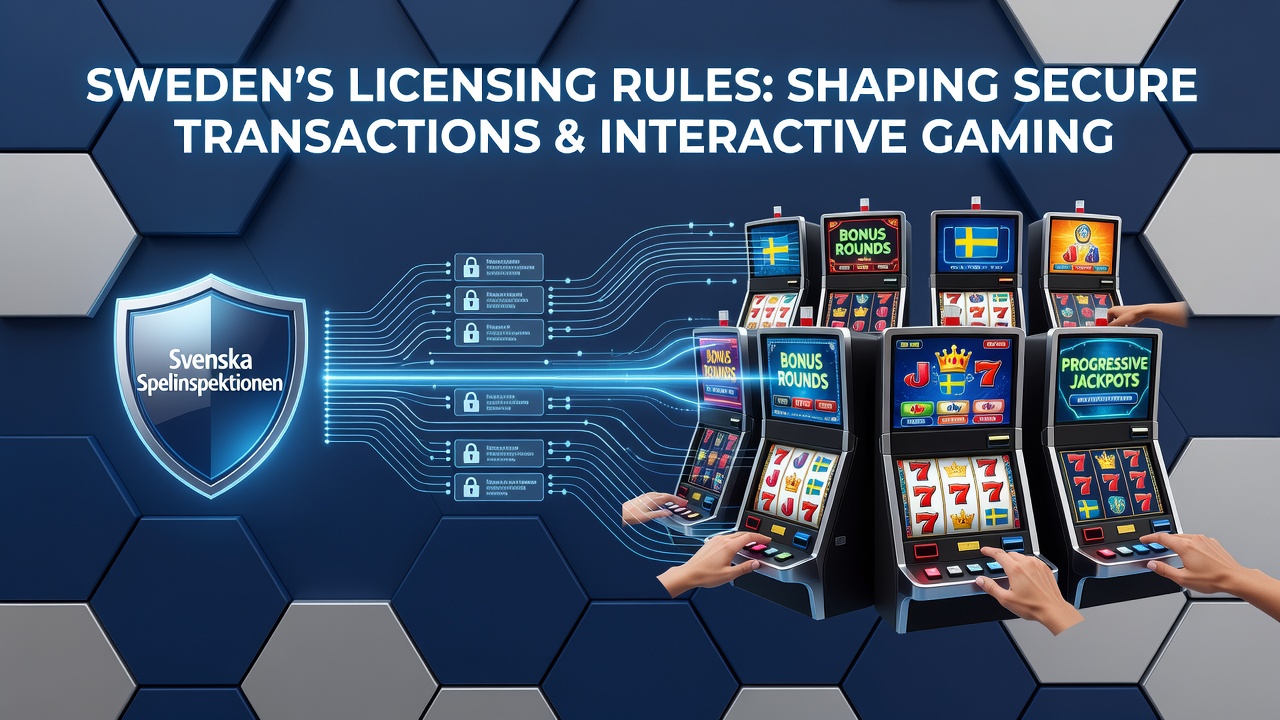
How Sweden's Licensing Rules Shape Transaction Security and Interactive Gaming Options in Digital Slot Environments
Sweden maintains a structured licensing system through Spelinspektionen that directly governs how operators handle payments and game design in digital slot environments, and these requirements create measurable effects on both security protocols and player choices. Operators must meet technical standards for encryption, identity verification, and fund segregation before they receive approval to offer games to Swedish residents.
Rules established under the 2019 Gambling Act and subsequent amendments require licensed entities to implement real-time monitoring systems that flag irregular transaction patterns, while also mandating that all slot titles undergo independent testing for random number generator integrity. Data from Spelinspektionen shows that compliance rates for payment security audits reached 97 percent among active licensees by mid-2025, reflecting consistent enforcement across teh market.
Core Licensing Requirements and Their Application
Every applicant for a Swedish license submits detailed documentation covering transaction flows, anti-money laundering procedures, and game fairness mechanisms before operations begin. The authority evaluates these submissions against explicit criteria that include ISO-certified security standards and third-party certification of slot software. Once granted, the license obliges operators to maintain segregated player accounts and to route all deposits and withdrawals through approved financial channels that support traceability.
As of October 2026, Spelinspektionen introduced updated guidance that further tightens requirements around multi-factor authentication for high-value transfers and expanded reporting on slot game volatility metrics. Licensed companies responded by integrating additional verification layers that extend processing times slightly yet reduce reported discrepancies in account balances.
Effects on Transaction Security Protocols
Swedish licensing conditions stipulate that operators must encrypt all payment data both in transit and at rest, using protocols that align with current European data protection benchmarks. They also require annual penetration testing and immediate notification to the regulator whenever a security incident exceeds defined thresholds. These measures produce observable outcomes: figures released by the authority indicate a year-over-year decline in unauthorized access attempts within the regulated sector between 2023 and 2025.
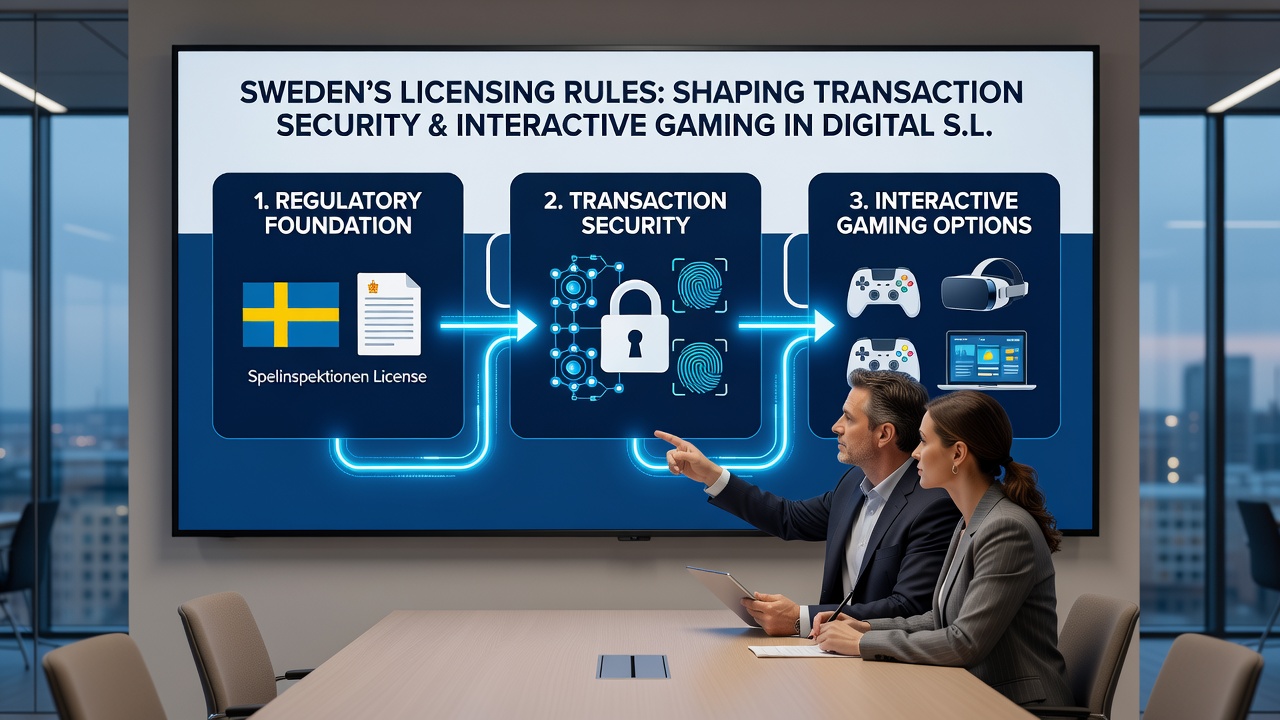
Payment methods available to players therefore remain limited to those that satisfy the same audit standards, which explains why many international e-wallets appear only after they demonstrate compliance with Swedish record-keeping rules. Operators that fail to meet these benchmarks lose the ability to accept deposits from Swedish IP addresses, creating a clear incentive structure that favors providers wth robust backend controls.
Influence on Available Interactive Gaming Options
The same licensing framework restricts the types of slot mechanics and bonus structures that can appear on licensed platforms. Every game must display its theoretical return-to-player percentage and must avoid features that the regulator classifies as potentially addictive, such as certain autoplay sequences or progressive jackpot triggers that reset without clear disclosure. Independent testing laboratories verify these elements before the titles reach Swedish players, resulting in a catalog that emphasizes transparency over rapid-fire bonus rounds.
Research published by the European Gaming and Betting Association notes that markets with similar certification regimes experience slower rollout of new slot releases compared with less regulated jurisdictions, yet they also record lower rates of player disputes over game outcomes. Swedish licensees therefore curate libraries that balance variety with compliance, often prioritizing titles from studios that maintain in-house compliance teams familiar with Spelinspektionen guidelines.
Market Data and Observed Patterns
Statistics compiled by Spelinspektionen for the 2024–2025 period reveal that average monthly deposits per active player stabilized after the introduction of stricter deposit-limit tools, while the proportion of withdrawals processed within 24 hours increased to 89 percent among compliant operators. These patterns emerge because licensing conditions tie renewal approvals to performance on both security metrics and player-protection indicators.
One study conducted by researchers at Stockholm University examined transaction logs from licensed platforms and found that the combination of mandatory cooling-off periods and verified payment rails correlated with reduced instances of rapid successive deposits. The findings align with broader regulatory goals without implying causation beyond the documented correlations.
Conclusion
Sweden's licensing regime continues to link transaction security standards directly to the scope of interactive slot options available to players, producing a market environment where compliance shapes both payment infrastructure and game libraries. Ongoing adjustments, including those implemented in October 2026, demonstrate that the framework remains responsive to technological developments while maintaining consistent oversight through Spelinspektionen. Observers tracking these developments note that the resulting ecosystem prioritizes verifiable processes over unrestricted choice, a pattern that other jurisdictions reference when evaluating their own regulatory approaches.